Life Sciences & Health Care
Representing interests and protecting innovation


Author: Johannes Hartlieb
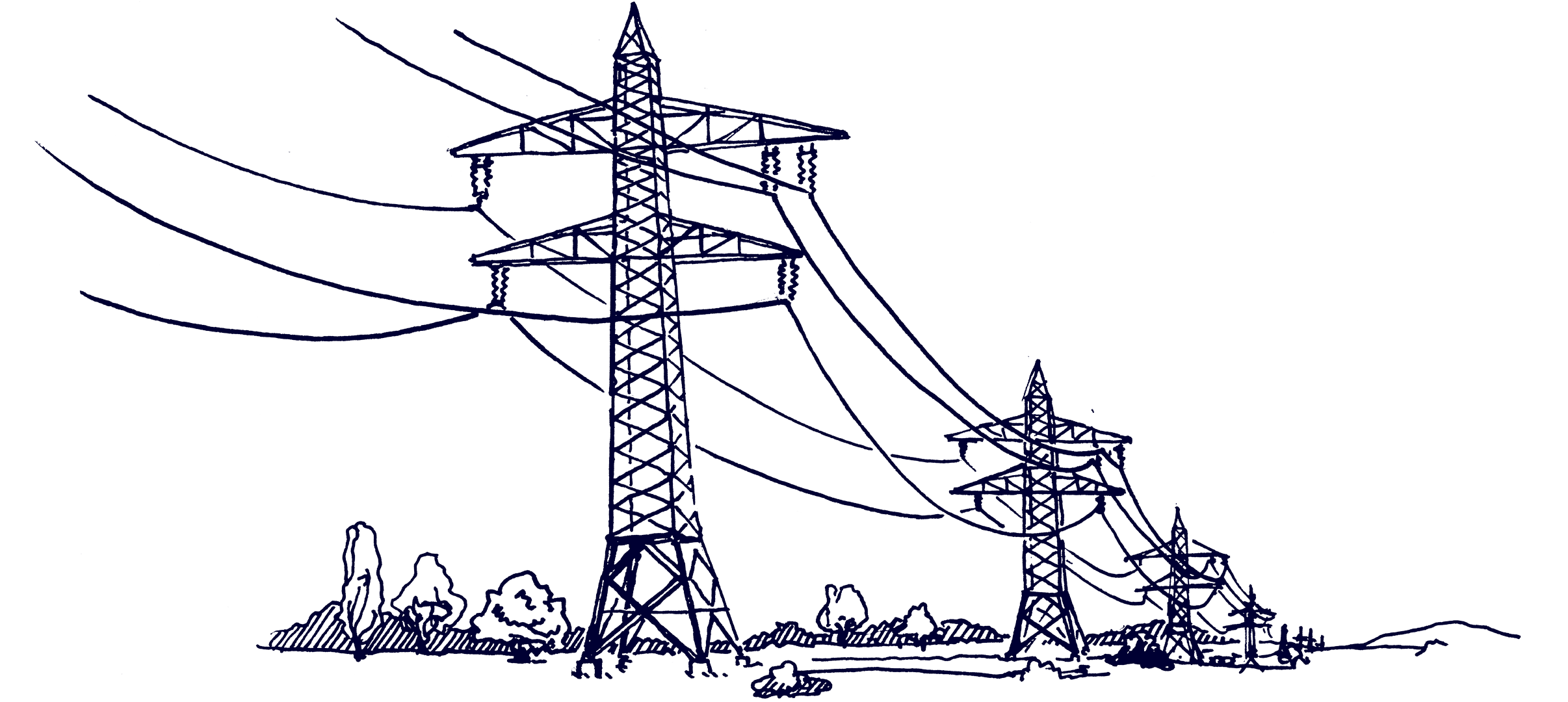
The European Union has repeatedly been affected by global energy crises, including as a result of the war in Ukraine and in Iran. To mitigate the negative impacts on energy availability and prices, the European Commission has already introduced a range of measures, including the “REPowerEU program.“
With „AccelerateEU,“ a new package of measures is now being introduced, aimed in particular at accelerating the transition away from fossil fuels.
At the core of the new package are the following areas, which include numerous measures:
To this end, the Commission outlines – partly in annexes to its communication – concrete measures at the European and member state levels. These include binding measures such as the swift adoption and implementation of the „EU Grids Package“ and non-binding measures such as better coordination of member states’ efforts to prevent fuel shortages. In addition, there are also plans to reintroduce flexibility in the area of state aid law.
„The choices we make today will shape our ability to face the challenges of today and the crises of tomorrow. Our AccelerateEU strategy will bring both immediate and more structural relief measures to European citizens and businesses. We must accelerate the shift to homegrown, clean energies. This will give us energy independence and security, and mean we are better able to weather political storms.” (President of the Commission Ursula von der Leyen)
Somewhat controversially – yet reflecting the current energy policy reality – the Commission repeatedly emphasizes the importance of nuclear energy as a safe, clean, and emission-free technology. Expanding nuclear power, it argues, could strengthen the EU’s energy independence. Given the EU’s low uranium extraction capacities, this assessment is surprising.
Overall, the Commission’s new paper is not entirely convincing and is unlikely to make a substantial contribution to alleviating the current energy crisis. The Commission’s approach appears overly broad: On the one hand, it gets bogged down in micro-management when it recommends changing the default settings of air conditioners, while on the other hand the Commission is too vague on major legislative initiatives and fails to set binding deadlines. As a result, the program feels somewhat rushed and contributes to individuals increasingly losing track of the big picture amid the thicket of EU-level publications.
Johannes Hartlieb and our Regulated Industries team are happy to answer any questions you may have.
This article is for general information only and does not replace legal advice. Haslinger / Nagele Rechtsanwälte GmbH assumes no liability for the content and correctness of this article.

28. April 2026





You need to load content from reCAPTCHA to submit the form. Please note that doing so will share data with third-party providers.
More InformationYou are currently viewing a placeholder content from Turnstile. To access the actual content, click the button below. Please note that doing so will share data with third-party providers.
More InformationYou are currently viewing a placeholder content from Facebook. To access the actual content, click the button below. Please note that doing so will share data with third-party providers.
More InformationYou are currently viewing a placeholder content from Instagram. To access the actual content, click the button below. Please note that doing so will share data with third-party providers.
More InformationYou are currently viewing a placeholder content from X. To access the actual content, click the button below. Please note that doing so will share data with third-party providers.
More Information